


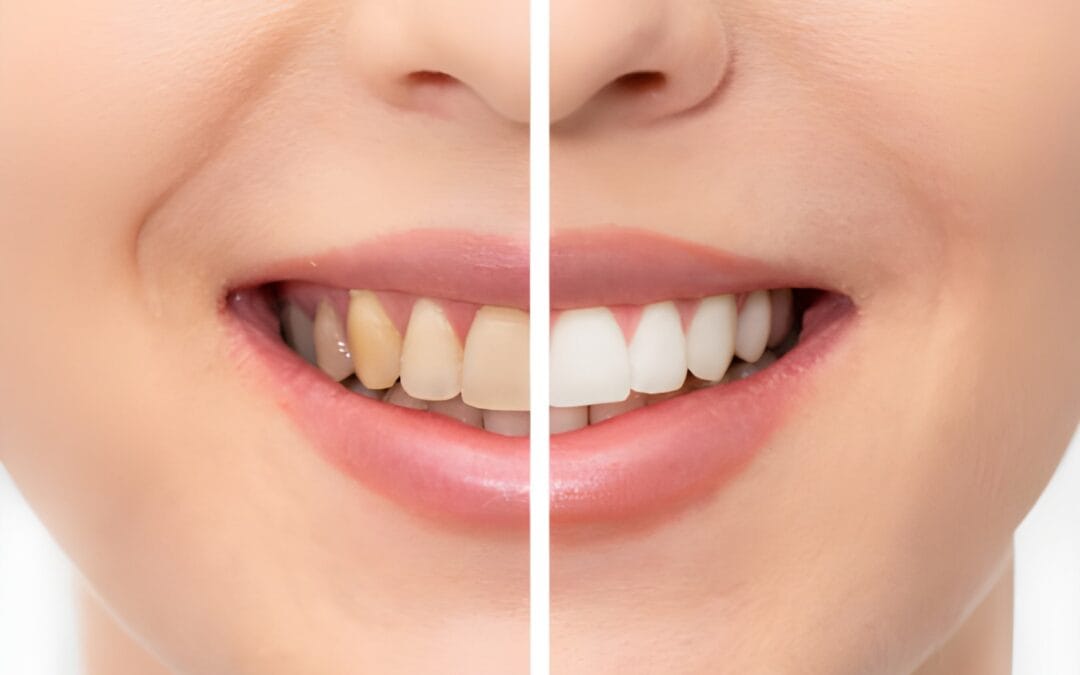
Teeth whitening is a popular cosmetic dental treatment designed to brighten your smile by removing stains and discolouration. In Aberdeen, many people choose professional whitening treatments for safe, reliable results and renewed confidence. These treatments use proven techniques to restore your smile’s natural glow while keeping your teeth healthy.
How Does Teeth Whitening Work?
Teeth whitening treatments Aberdeen use safe, effective ingredients like hydrogen peroxide or carbamide peroxide. These whitening gels penetrate the tooth enamel, breaking down deep stains and brightening your smile. Dentists in Aberdeen offer in-office whitening for fast results or custom take-home kits for gradual improvement. Both options are tailored to ensure comfort, safety, and long-lasting results.
Benefits of Teeth Whitening
Boosts Confidence
A whiter smile can make you feel more confident in both social and professional settings. It’s a simple way to enhance your appearance and feel your best.
Encourages Better Oral Care
After whitening, many people become more mindful about brushing, flossing, and avoiding stain-causing foods—helping to maintain long-term oral health.
Risks and Side Effects of Teeth Whitening
Teeth whitening is safe when supervised by a dentist, but there are potential side effects to consider.
Tooth Sensitivity
Mild sensitivity is common during or after treatment. This usually fades within a few days.
Gum Irritation
If the whitening gel touches your gums, it may cause temporary irritation. Using dentist-approved trays helps prevent this.
Enamel Damage
Overusing whitening products can weaken enamel. Always follow professional guidance to protect your teeth.
Temporary Uneven Colour
You might notice uneven whitening initially, especially if you have dental work like fillings or crowns. This typically balances out after a few days.
Are Teeth Whiteners Safe?
Yes — when used under professional supervision, whitening treatments are both safe and effective. The key is to follow your dentist’s advice and avoid over-the-counter kits that may contain harsh chemicals.
The Safest Way to Whiten Your Teeth
1. Consult Your Dentist
Get a full dental check-up first to ensure your teeth and gums are healthy.
2. Use Approved Products
Stick to dentist-recommended gels or systems that are clinically tested.
3. Follow Instructions
Avoid extending treatment time or frequency beyond what your dentist recommends.
4. Avoid Home Remedies
Methods like baking soda, charcoal, or lemon juice can erode enamel and cause long-term damage.
Pre-Whitening Precautions
Before whitening, treat any existing dental issues such as cavities or gum inflammation. Inform your dentist about previous sensitivity or dental restorations, as artificial materials won’t whiten like natural teeth.
Post-Treatment Care
For the first 48 hours:
Avoid coffee, red wine, tea, and berries.
Use a non-abrasive toothpaste.
Rinse after meals and use a straw for coloured drinks.
Consistent brushing and flossing help maintain your bright results.
Preventing Future Discolouration
Keep your smile white by limiting stain-prone foods and scheduling regular professional cleanings. Periodic touch-ups, as advised by your dentist, help preserve your results long-term.
What to Expect During Professional Whitening
During treatment, your dentist protects your gums and applies a whitening gel. A specialised light may be used to speed up the process. Most sessions last about an hour, with visible results after just one appointment.
Get a Brighter Smile with Teeth Whitening in Aberdeen
If you’re ready to transform your smile, professional teeth whitening in Aberdeen offers a safe and effective way to achieve lasting brightness. Speak to your dentist today for tailored whitening solutions designed to suit your needs and lifestyle.
Conclusion
When done correctly, teeth whitening is a safe and rewarding treatment that enhances your smile and confidence. Understanding potential side effects and following your dentist’s advice ensures the best results with minimal risk. Enjoy your brighter, healthier smile — the professional way.
Frequently Asked Question
How often should I whiten my teeth?
You should wait at least six months between whitening treatments to protect your enamel and prevent sensitivity.
Can yellow teeth become white again?
Yes. Professional whitening effectively removes stains caused by food, drinks, and smoking, restoring your teeth’s natural colour.
Does whitening damage teeth?
No, when performed by a dentist using approved products, whitening is safe and does not harm enamel.
Why do my teeth feel sensitive after whitening?
Sensitivity is temporary and happens when the gel penetrates enamel. It usually resolves within a few days.
Is whitening toothpaste enough?
Whitening toothpaste can remove surface stains but cannot lighten deep discolouration like professional treatments can.

BDS, General & Holistic Dentist | GDC 171711
Dr Falk is a holistic dentist and Clinical Director at Old Machar Dental Care. He focuses on pain-free, preventive dentistry using biocompatible materials and toxin-free approaches. With international experience across Portugal and the UK, he specialises in general dentistry, Invisalign treatment, and patient-centred care that supports long-term oral and overall health.