


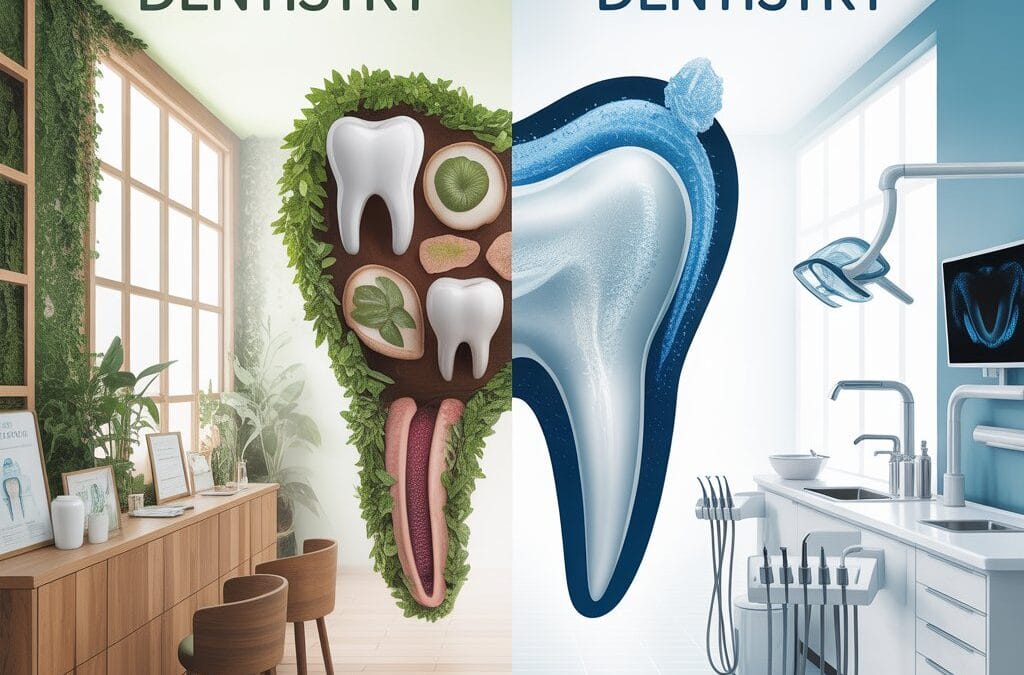
Holistic vs Traditional Dentistry: Understanding the Difference
When it comes to looking after your teeth, you can choose between a traditional dentist and a holistic dentist. While both aim to maintain your oral health, their approaches differ in philosophy, treatment techniques, and materials used. Understanding how they differ allows you to make informed choices about your dental care.
Definitions: Traditional vs safe mercury/amalgam filling removal
Traditional Dentistry
Traditional dentistry primarily focuses on diagnosing and treating conditions that affect the teeth and gums. It views the mouth as a separate system, treating issues like decay or gum disease locally without necessarily linking them to overall body health. Standard treatments include fillings, crowns, root canals, and professional cleanings using conventional materials and procedures.
safe mercury/amalgam filling removal
safe mercury/amalgam filling removal, also known as biological or integrative dentistry, operates on the belief that oral health is deeply connected to the body’s general well-being. This approach considers how dental treatments and materials can influence overall health. Holistic dentists use biocompatible, non-toxic materials and emphasise preventive and minimally invasive treatments that support the entire body, not merely the teeth and gums.
The Connection Between Oral Health and Whole-Body Wellness
The saying “what happens in the mouth doesn’t stay in the mouth” sums up the holistic perspective. Infections, inflammation, or toxic materials in the mouth can influence other parts of the body, potentially contributing to systemic issues. safe mercury/amalgam filling removal strives to create harmony between oral care and body health, recognising that optimal dental care also supports organs, immune function, and mental well-being.
Do NHS Dentists in Aberdeen Offer Teeth Whitening? Explained.
Key Differences Between Traditional and safe mercury/amalgam filling removal
The main reason safe mercury/amalgam filling removal differs from traditional dentistry lies in its comprehensive view of health. Holistic practitioners assess not only the teeth but also lifestyle, diet, environmental factors, and emotional well-being. Traditional dentistry focuses more strictly on fixing the immediate issue at hand.
- Materials: Holistic dentists typically avoid mercury-based amalgam and fluoride, preferring natural or biocompatible materials.
- Treatment Philosophy: They prioritise prevention, seeking to support the body’s natural healing processes rather than rely heavily on synthetic substances.
- Approach to Diagnosis: Rather than simply treating symptoms, holistic dentists explore underlying causes such as nutritional deficiencies, mouth–body imbalances, or medical conditions.
NHS Dentist Registration Problems in Aberdeen – Solutions
Holistic vs Biological Dentistry
Both holistic and biological dentistry share similar philosophies—each recognises the link between oral and overall health. Where safe mercury/amalgam filling removal takes a broad lifestyle approach, biological dentistry places more emphasis on the choice of materials and use of safe, scientifically tested biological solutions during treatments.
Common Holistic Dental Treatments
Holistic Teeth Cleaning
Holistic cleanings use non-toxic, natural products and focus on reducing bacteria without harsh chemicals or fluoride. Natural antiseptics such as ozone or herbal-based rinses may be used to support gum and enamel health gently.
Metal-Free Tooth Restorations
Biocompatible materials such as porcelain or composite resin replace traditional metals. These restorations blend seamlessly with natural teeth and minimise potential sensitivity or allergic reactions.
Fluoride-Free Treatments
Since fluoride exposure can concern some patients, holistic dentists often use natural remineralisation products rich in calcium and phosphate. These protect enamel and promote strong, healthy teeth without chemical additives.
IV Therapy
Some holistic dental practices offer intravenous vitamin therapy before or after dental treatments. This helps reduce inflammation, support detoxification, and strengthen the immune response during recovery.
Do NHS Dentists Still Use Mercury Fillings?
Safe Removal of Dental Amalgam Fillings
Mental amalgam fillings contain mercury, which, when improperly removed, may release vapours. Holistic dentists use safe amalgam removal techniques under controlled conditions to prevent mercury exposure and support patient detoxification.
Ozone Therapy
Ozone therapy is often employed after dental surgeries or implant placements to promote rapid healing. Ozone has natural antibacterial and oxygenating properties that enhance gum tissue recovery and reduce infection risks.
Integrating safe mercury/amalgam filling removal into Your Oral Care
Holistic dental care considers seasonal changes, diet, and lifestyle adjustments. For instance, changes in humidity or diet throughout the year can influence gum sensitivity and moisture balance. Ensuring good hydration, nutrient-rich food, and natural oral hygiene aids can keep your mouth and body in balance.
Holistic Dental Health Tips for Everyday Life
- Use a fluoride-free, natural toothpaste containing plant-based minerals and essential oils.
- Maintain a balanced diet rich in vitamins A, C, D, and K2 to encourage strong enamel and gum resilience.
- Reduce sugar and acidic food intake to prevent enamel erosion.
- Stay hydrated to avoid dry mouth, a common cause of bad breath and gum irritation.
- Practice mindfulness and stress management, as high stress can contribute to teeth grinding and gum inflammation.
Preparing for a Holistic Dental Procedure
Before undergoing a holistic dental treatment, patients often have a detailed consultation to review their medical history, diet, and any sensitivities. Holistic dentists may recommend pre-treatment detoxifying supplements or stress-reduction techniques to ensure the procedure supports overall health.
After treatment, holistic recovery protocols—like herbal rinses, essential oils, and restorative nutrition—help to strengthen healing naturally and safely.
Is safe mercury/amalgam filling removal Scientifically Supported?
There is growing research supporting the connection between oral and systemic health. Many holistic methods, such as the use of ozone, nutritional therapy, and biocompatible materials, have documented benefits. However, the degree of scientific evidence varies by method. Patients are encouraged to discuss all treatment options openly with their dentist to find an approach that aligns with both personal beliefs and medical understanding.
FAQs
1. Do holistic dentists perform standard procedures like cleanings, fillings, and crowns?
Yes. Holistic dentists provide all standard procedures but use non-toxic materials and methods focused on preserving natural tooth structure.
2. What are the main materials holistic dentists avoid?
They typically avoid amalgam (mercury) fillings, nickel-based crowns, and fluoride, opting for safer, natural, and biocompatible alternatives.
3. How does safe mercury/amalgam filling removal treat gum disease?
Holistic dentists approach gum disease by addressing bacterial infection with ozone, herbal rinses, or laser treatments, while also evaluating diet, stress, and immune health.
4. Is safe mercury/amalgam filling removal suitable for children?
Yes, holistic care is safe for children. It supports strong oral development using gentle, fluoride-free, and diet-based preventive practices.
5. How can I start incorporating holistic dental principles at home?
Start with natural oral hygiene products, maintain a nutrient-rich diet, stay hydrated, and limit processed sugars. Regular holistic dental check-ups ensure your mouth and body remain healthy in tandem.
Call to Action: Ready to experience dental care that supports your entire well-being? Schedule an appointment with a holistic dental professional today and take the first step towards a healthier, more balanced smile.
BDS, General & Holistic Dentist | GDC 171711
Dr Falk is a holistic dentist and Clinical Director at Old Machar Dental Care. He focuses on pain-free, preventive dentistry using biocompatible materials and toxin-free approaches. With international experience across Portugal and the UK, he specialises in general dentistry, Invisalign treatment, and patient-centred care that supports long-term oral and overall health.