


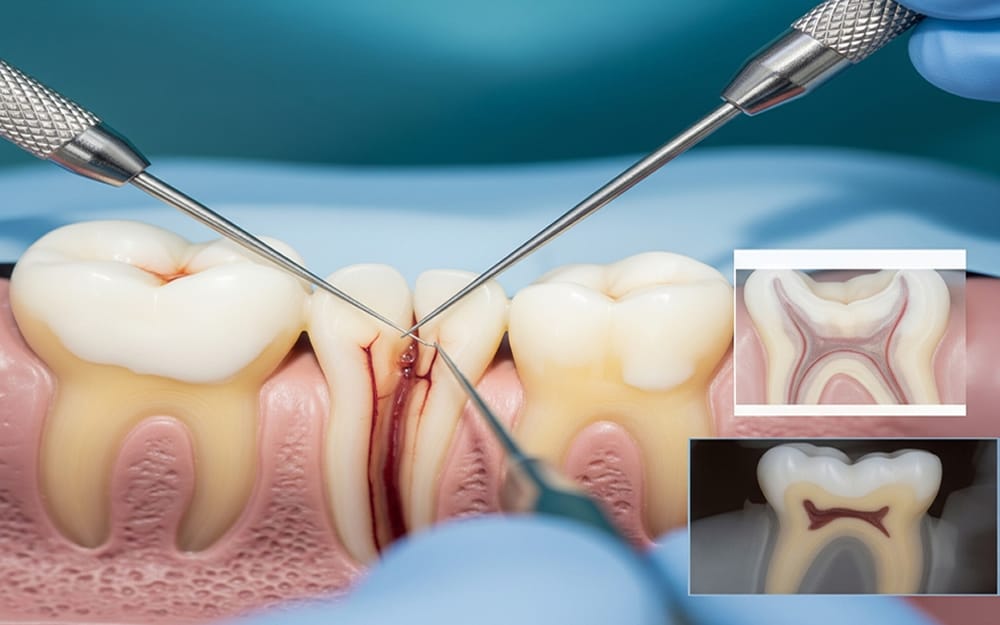
The Truth About Holistic Root Canals: A Dental Expert’s Perspective
Root canals have long been a cornerstone of dental treatment for saving teeth affected by deep decay or infection. However, growing awareness about the relationship between oral and systemic health has led many to question whether conventional root canals are the best option for long-term wellness. safe mercury/amalgam filling removal approaches this question differently—aiming to preserve oral health without compromising the body’s balance and natural function.
The Reality of Modern Root Canal Success
Advancements in modern dentistry have made root canals safer and more predictable than ever before. New cleaning techniques, digital imaging, and improved sealing materials reduce the risk of bacterial reinfection. Yet, despite the success rates, holistic dentists remain cautious, highlighting that a root canal-treated tooth is no longer living tissue and could still harbour bacteria that might affect overall health.
The Surprising Natural Element in Root Canals
Bridging the Gap Between Holistic and Traditional Dentistry
Today’s dentistry need not be a choice between conventional and holistic philosophies. The most effective approach blends evidence-based clinical care with an understanding of systemic wellness. By combining modern diagnostics, minimally invasive procedures, and body-safe materials, patients can enjoy comprehensive dental health tailored to their personal values and wellbeing goals.
Why Do Root Canals Raise Concerns?
The main concerns arise from the potential for bacterial residue within the treated tooth, which some studies suggest may impact immune function or inflammation levels. Holistic dentists argue that while root canals do preserve natural teeth, they must be performed with advanced cleaning protocols and patient-specific considerations, ensuring the body’s energy flow and microbiome remain balanced.
When Are Root Canals Typically Recommended?
Root canals are generally advised when decay or trauma has reached the pulp—the inner vital tissue containing nerves and blood vessels. Symptoms can include severe pain, sensitivity, or abscess formation. The goal is to remove the infected tissue while saving the outer tooth structure, preventing extraction and maintaining chewing function.
Exploring Root Canal Alternatives: A Holistic Approach
safe mercury/amalgam filling removal recognises that a traditional root canal may not always align with every individual’s preferences or health beliefs. Depending on the extent of damage, there are several viable alternatives designed to preserve health and restore function using biocompatible methods.
Direct and Indirect Pulp Capping
Pulpotomy
In cases where the upper portion of the pulp is affected, a pulpotomy removes only the damaged tissue while leaving the remaining living nerve intact. This approach, typically used in children or early decay cases, prioritises tooth vitality and minimises invasive treatment.
Ozone Therapy
Ozone therapy is one of the most favoured holistic techniques for disinfecting oral tissues. Ozone gas or water can kill pathogenic microbes without harming healthy cells, helping to sterilise an infected area and boost healing—often used alongside or instead of traditional root canal procedures.
Herbal and Homeopathic Remedies
Natural remedies may play a supporting role in soothing discomfort and promoting recovery. Clove oil, plant extracts, and homeopathic supplements are often recommended to manage inflammation or support oral immune balance while professional treatment is underway.
Extraction Followed by Biocompatible Tooth Replacement
When saving the natural tooth isn’t possible or advisable, extraction may be considered. Through biological extraction techniques, the surrounding tissue is thoroughly cleaned and ozone-treated to prevent infection. Biocompatible replacements—such as ceramic zirconia implants—restore appearance and function without introducing metal or toxins into the body.
Features of Biological Tooth Extractions
Biological extractions focus on maintaining bone and tissue integrity, reducing trauma, and supporting rapid recovery. Techniques may involve gentle removal, use of ozone or platelet-rich fibrin (PRF), and selection of ceramic-based implants that integrate naturally with the patient’s body chemistry.
Prevention: The First Line of Defence
Preventing decay remains the best strategy to avoid both root canals and extractions. Holistic care emphasises a nutrient-rich diet, regular professional cleanings, fluoride-free toothpaste options, and mindful stress reduction to maintain gum and nerve health. Awareness that oral wellness reflects overall wellbeing is central to this approach.
The Importance of Making an Educated Decision
Every dental situation is unique, and the decision between a root canal, an alternative treatment, or extraction should be guided by comprehensive diagnostics, personal preference, and clinical advice. A well-informed choice considers not only immediate comfort but also long-term systemic harmony and quality of life.
The Bottom Line
Call to Action: Interested in exploring safe, integrative dental solutions? Schedule a consultation with a holistic dental expert today to discover the best path for your oral health.
FAQs
1. What makes a root canal “holistic”?
A holistic root canal integrates natural disinfection methods—like ozone therapy—and uses bio-compatible materials that minimise toxicity while supporting whole-body health.
2. Are holistic root canals safer than conventional ones?
They can be considered safer for those sensitive to chemicals or metals, focusing on reducing residual bacteria and inflammation through natural and minimally invasive techniques.
3. Can natural remedies cure an infected tooth?
Natural remedies can help manage mild inflammation but cannot eliminate a deep infection. Professional evaluation is essential to prevent further complications.
4. What is the recovery time after a holistic extraction?
Thanks to gentle techniques and supportive therapy such as ozone or PRF, healing may occur faster—often within a few weeks—depending on the patient’s overall health and care routine.
5. How do I know if a holistic dentist is right for me?
If you value treatments that consider the connections between oral and systemic health, avoid toxins, and promote natural healing, a holistic dentist may be an ideal choice.

BDS, General & Holistic Dentist | GDC 171711
Dr Falk is a holistic dentist and Clinical Director at Old Machar Dental Care. He focuses on pain-free, preventive dentistry using biocompatible materials and toxin-free approaches. With international experience across Portugal and the UK, he specialises in general dentistry, Invisalign treatment, and patient-centred care that supports long-term oral and overall health.