


Dental crowns on the NHS fall under Band 3 treatment charges. In Scotland (2025/2026), NHS crowns are charged at £319.10, while in England the Band 3 charge is £326.70. NHS crowns are covered when clinically necessary, but cosmetic-only crowns are usually not included.
Dental crowns are commonly used to restore broken, heavily filled, or weakened teeth. They help protect the tooth, improve function, and restore appearance. Understanding NHS crown costs in Scotland can help patients make informed decisions about treatment options, materials, and whether NHS or private care is most suitable.
What Is a Dental Crown?
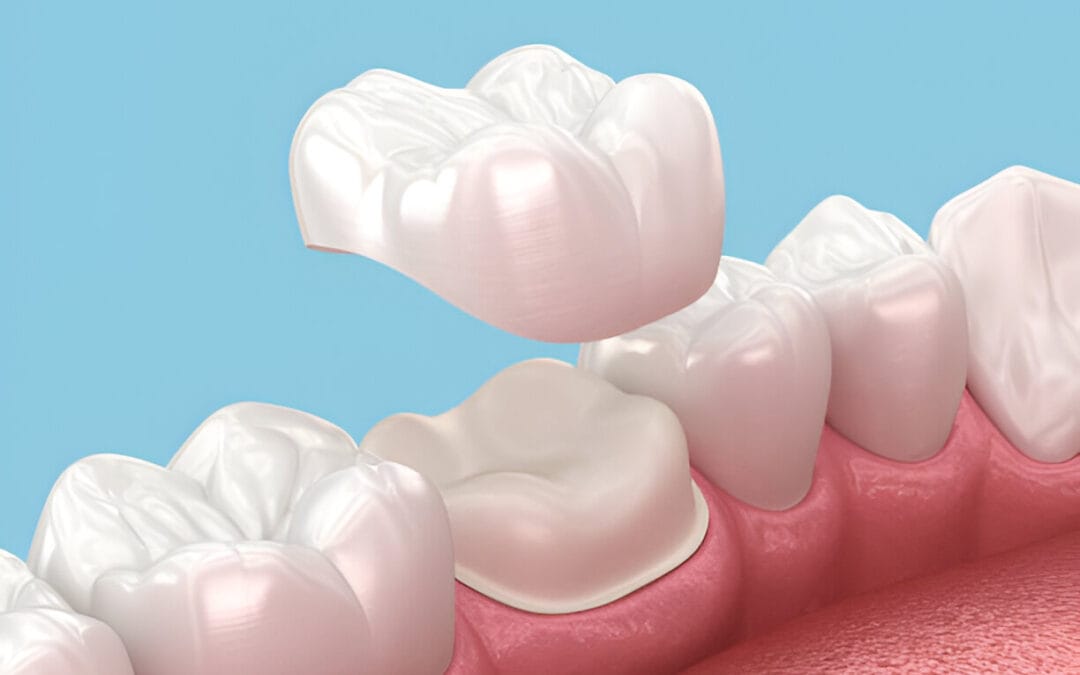
A dental crown is a custom-made cap placed over a damaged or weakened tooth. At Bridges and Zirconia Crowns in Aberdeen, crowns are used to restore strength, function, and appearance while protecting the natural tooth structure.
Crowns are commonly used to:
- Protect weak teeth
- Restore broken teeth
- Cover teeth after root canal treatment
- Improve chewing function
- Restore tooth shape and appearance
Dental crowns can be made from several materials, including:
- Metal
- Porcelain-bonded-to-metal (PFM)
- Ceramic
- Zirconia
NHS Crown Cost in Scotland (2025/2026)
Under NHS Scotland dental charges, crowns fall under Band 3 treatment.
NHS Scotland Crown Cost
- Scotland Band 3 Charge (2025/2026): £319.10
This charge covers:
- Examination related to treatment
- Tooth preparation
- Impressions
- Temporary crown (if needed)
- Final crown fitting
NHS England Crown Cost
For comparison:
- England Band 3 Charge (2025/2026): £326.70
NHS charges differ slightly between Scotland and England because NHS dental systems are managed separately.
When Is a Crown Covered on the NHS?
An NHS crown is usually provided when it is clinically necessary.
Examples include:
- The tooth weakened after root canal treatment
- Large fracture or crack
- Extensive tooth decay
- Severely worn teeth affecting function
- Restoration of chewing ability
When Is a Crown NOT Covered on the NHS?
Purely cosmetic treatment is generally not covered.
Examples include:
- Cosmetic smile improvements only
- Replacing a functional crown for aesthetic preference
- Upgrading to premium cosmetic materials without clinical need
Patients wanting advanced cosmetic materials may need private treatment.
NHS Crown vs Private Crown Comparison
| Feature | NHS Crown | Private Crown |
|---|---|---|
| Typical Cost (Scotland) | £319.10 | £500–£1,200+ |
| England NHS Cost | £326.70 | Private fees vary |
| Materials | Metal or porcelain-bonded-to-metal | Zirconia, ceramic, premium porcelain |
| Main Focus | Function and durability | Function + aesthetics |
| Appearance Options | Limited | Wider cosmetic choice |
| Waiting Time | NHS appointment dependent | Often faster availability |
| Customisation | Standard clinical options | Highly customised |
| Longevity | Good durability | Often improved aesthetics and precision |
| Cosmetic Options | Limited | Extensive |
What Types of Crowns Are Available on the NHS?
The NHS chooses materials based on clinical need and tooth position.
Back Teeth
Usually:
- Metal crowns
- Porcelain-bonded-to-metal crowns
These are durable and withstand chewing pressure.
Front Teeth
Often:
- Porcelain-bonded-to-metal crowns
These provide a balance between strength and appearance.
Private Cosmetic Crown Options
Private dentistry may offer:
- Full ceramic crowns
- Zirconia crowns
- Premium aesthetic restorations
You can learn more about advanced crown options on our
The NHS Crown Procedure
First Appointment — Tooth Preparation
Your dentist will:
- Assess the tooth
- Remove damaged areas
- Shape the tooth
- Take impressions or scans
- Fit a temporary crown if needed
Second Appointment — Crown Fitting
The permanent crown is:
- Checked for fit and bite
- Adjusted if necessary
- Cemented securely into place
How Long Do NHS Crowns Last?
Most NHS crowns last:
- Between 5 and 15 years
- Sometimes longer with good care
Longevity depends on:
- Oral hygiene
- Grinding habits
- Diet
- Regular dental check-ups
Dentist Clinical Commentary
From our clinical experience, NHS crowns provide reliable long-term protection for damaged teeth when clinically appropriate. Many patients are surprised by how functional and durable NHS crowns can be, especially for back teeth where strength matters most.
However, patients with cosmetic concerns about front teeth often prefer zirconia or ceramic crowns through private treatment because of their improved natural appearance.
Additional Costs Patients Should Know About
Sometimes extra treatment is required before placing a crown, including:
- Root canal treatment
- Tooth extraction
- Gum treatment
These may involve separate NHS charges depending on treatment stages.
NHS Exemptions
Some patients may qualify for free NHS dental treatment, including:
- Certain benefit recipients
- Pregnant women
- New mothers
- Patients under 26 in Scotland (depending on NHS Scotland eligibility rules)
Emergency NHS Dentist in Aberdeen
If you have:
- A broken crown
- Severe tooth pain
- Swelling
- Infection around a crowned tooth
You may need urgent assessment from an Emergency NHS Dentist in Aberdeen to prevent further damage or infection.
Conclusion
NHS crowns remain one of the most affordable ways to restore damaged teeth in Scotland. At £319.10 for Band 3 treatment in 2025/2026, they provide clinically effective protection and function for many patients.
While private crowns offer more cosmetic options and premium materials, NHS crowns continue to provide dependable restorative treatment where clinically necessary.
Book Your Crown Consultation at Old Machar Dental Care
At Old Machar Dental Care, we provide both NHS and private crown treatments tailored to your oral health needs. Whether you require a functional NHS crown or a cosmetic zirconia restoration, our experienced team can guide you through the best treatment options for your smile and budget.
Contact our Aberdeen practice today to arrange your consultation.
