Regular dental visits are important for keeping your teeth and gums healthy. They also help you stay connected with your NHS dental practice. Many people in Scotland worry about losing their NHS dentist because they have not attended for a long time. This is where the NHS dentist “2-year rule” becomes important.

In general, if you do not attend your NHS dentist for more than two years, your dental practice may remove you from their active patient list. This can make it more difficult to access NHS dental treatment in the future, especially in areas where NHS spaces are limited.

At the same time, regular dental examinations are one of the best ways to prevent tooth decay, gum disease, infections, and expensive dental treatment later on.

In this guide, we explain how often you should visit the dentist to stay on the NHS, how the system works in Scotland, what the current 2024/2025 NHS Scotland guidance says, and what happens if you miss your appointments.

What Is the NHS Dentist 2-Year Rule?

The NHS dentist 2-year rule is a general guideline used by many dental practices. It means that patients should attend regular dental check-ups and not leave more than two years between appointments.

If a patient does not visit within that period, some NHS practices may remove them from their patient list.

The rule exists because NHS dentists aim to provide ongoing preventive care rather than only emergency treatment. Regular appointments help dentists monitor your oral health and detect problems early.

In Scotland, NHS dental care operates slightly differently from England. NHS Scotland encourages practices to provide recall intervals based on individual patient needs instead of a single fixed timeframe for everyone.

NHS Scotland Dental Check-Up Guidance for 2024/2025

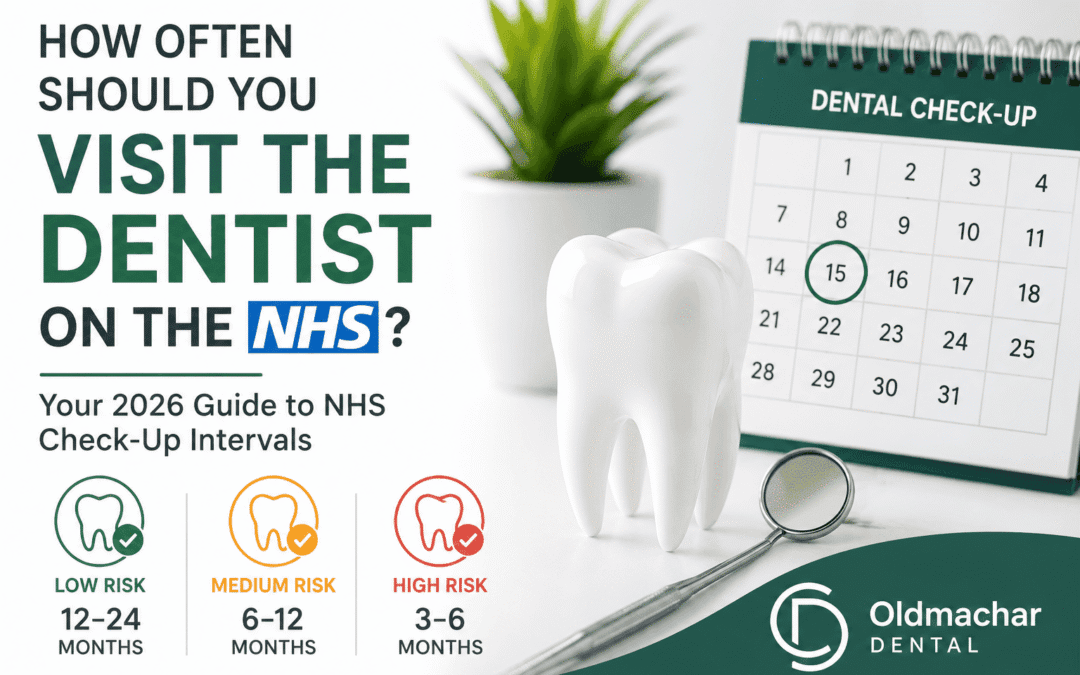
Under current NHS Scotland guidance for 2024 and 2025, the recommended time between dental check-ups depends on your oral health risk.

For example:

  • Adults with good oral health may only need a dental examination every 12 to 24 months.
  • Patients with gum disease, fillings, smoking habits, or ongoing dental problems may require appointments every 3 to 12 months.
  • Children usually need check-ups every 6 to 12 months because their teeth are still developing.

Your dentist will decide the most appropriate recall interval for you.

Even if your teeth feel healthy, dental problems can develop silently. Cavities, gum disease, and oral cancer often begin without pain or obvious symptoms.

Why Is the 2-Year Rule Important?

Preventing Serious Dental Problems

Routine dental visits allow your dentist to detect issues before they become severe.

During a check-up, your dentist may identify:

  • Early tooth decay
  • Gum disease
  • Oral infections
  • Cracked teeth
  • Loose fillings
  • Signs of oral cancer
  • Teeth grinding or wear

Finding problems early usually means easier, faster, and less expensive treatment.

For example, a small cavity may only require a filling, while untreated decay could eventually need a root canal or tooth extraction.

Keeping Your NHS Registration

NHS dental spaces are limited in many parts of Scotland. Practices need to make sure appointments are available for patients who regularly attend.

If you do not visit your dental practice for several years, the practice may assume you no longer need NHS care and remove you from the list.

This could mean:

  • Losing access to your current NHS dentist
  • Longer waiting times
  • Difficulty finding another NHS practice accepting patients
  • Delays in treatment

Attending regular appointments helps maintain your relationship with your dental practice and keeps your oral health records updated.

Maintaining Good Oral Health

Regular examinations help keep your mouth healthy over time.

Your dentist or hygienist may provide:

  • Professional cleaning
  • Gum health checks
  • Oral hygiene advice
  • Fluoride recommendations
  • Dietary guidance
  • Preventive care for children

Professional cleaning can also remove plaque and tartar that cannot always be cleaned properly at home.

You can learn more about preventive hygiene treatment at Scaling and Polishing.

NHS Dentist Aberdeen for Pregnant Women: Your Rights & Benefits

How Often Should Adults Visit the Dentist?

The answer depends on your dental health and personal risk factors.

Adults With Healthy Teeth and Gums

If your mouth is healthy and you maintain good oral hygiene, your dentist may recommend check-ups every 12 to 24 months.

This follows NHS Scotland guidance for low-risk patients.

Adults With Higher Dental Risk

Some patients need more frequent dental visits.

You may need appointments every 3 to 12 months if you:

  • Smoke
  • Have gum disease
  • Frequently develop cavities
  • Have diabetes
  • Wear dentures
  • Experience dry mouth
  • Have ongoing dental treatment
  • Have a history of oral cancer concerns

Your dentist will recommend the safest recall interval for your situation.

How Often Should Children Visit the Dentist?

Children generally need more regular dental check-ups than adults.

Most children should attend every 6 to 12 months.

Regular visits allow dentists to:

  • Monitor tooth development
  • Detect early decay
  • Apply preventive fluoride treatments
  • Identify orthodontic issues
  • Encourage healthy brushing habits

Early dental visits also help children feel more relaxed and confident about seeing the dentist.

Good habits learned in childhood often continue into adult life.

What Happens If You Miss a Dental Check-Up?

Missing one appointment does not automatically remove you from NHS care. However, repeated missed appointments or long periods without attendance can create problems.

Missed Appointments

If you cannot attend an appointment, contact the practice as soon as possible.

Giving advance notice allows the practice to offer your appointment to another patient.

Repeated missed appointments may lead some practices to review your registration status.

Removal From the NHS Patient List

If you have not attended for more than two years, your practice may remove you from their active NHS list.

This may result in:

  • Needing to re-register elsewhere
  • Waiting lists for NHS spaces
  • Limited appointment availability
  • Possible private treatment costs

Because NHS appointments are in high demand across many areas of Scotland, it is best to avoid long gaps between check-ups.

Can You Still Get Emergency Dental Treatment?

Yes. Even if you have not attended regular appointments, you can still seek emergency dental care if you are in pain or have an urgent dental problem.

Emergency appointments may be available for:

  • Severe toothache
  • Swelling or abscesses
  • Broken teeth
  • Bleeding
  • Dental trauma
  • Lost crowns or fillings causing pain

However, emergency treatment does not always guarantee that you will be accepted back onto the NHS patient list for routine care.

Exceptions to the 2-Year Rule

Sometimes patients cannot attend dental appointments due to circumstances beyond their control.

Medical Conditions

If illness or medical treatment prevents you from attending appointments, tell your dental practice as soon as possible.

Examples may include:

  • Cancer treatment
  • Major surgery
  • Hospital stays
  • Pregnancy complications
  • Mobility issues
  • Long-term illness

Practices may consider these situations when reviewing patient attendance.

Temporary Relocation

Students, military personnel, or patients working abroad may also experience gaps in attendance.

Good communication with your dental practice is important. Keeping the practice informed may help avoid misunderstandings.

As a Practising Dentist at Old Machar, We Typically Recommend…

“As a practising dentist at Old Machar, we typically recommend that patients attend regular examinations even if they are not experiencing pain or visible dental problems. Many oral health conditions develop slowly and silently.

Patients with healthy mouths may only require check-ups every 12 to 24 months. However, patients with gum disease, repeated decay, smoking habits, or complex dental needs often benefit from more regular visits.

We also encourage patients to keep their contact details updated and avoid delaying appointments unnecessarily. Preventive dentistry is always easier, more comfortable, and less expensive than emergency treatment.”

How to Stay Compliant With NHS Dental Attendance

1. Set Personal Reminders

Use your phone, email calendar, or reminder app to keep track of upcoming appointments.

Many dental practices also send text or email reminders.

2. Keep Your Contact Details Updated

If your phone number or address changes, inform your dental practice immediately.

This helps ensure you receive appointment reminders and important updates.

3. Rebook Before Leaving the Practice

Booking your next examination before leaving the clinic helps you stay organised.

This also reduces the chance of forgetting your next visit.

4. Maintain Good Oral Hygiene at Home

Daily brushing and flossing help reduce the risk of dental disease between appointments.

Try to:

  • Brush twice daily with fluoride toothpaste
  • Clean between teeth regularly
  • Reduce sugary snacks and drinks
  • Stop smoking if possible

5. Do Not Ignore Early Symptoms

If you notice bleeding gums, tooth sensitivity, swelling, or pain, contact your dentist promptly.

Small problems are usually easier to treat than advanced dental disease.

Why Preventive Dentistry Matters

Preventive dentistry saves time, money, and discomfort.

Routine dental visits can help avoid:

  • Tooth extractions
  • Advanced gum disease
  • Dental infections
  • Expensive restorative treatment
  • Emergency dental pain

Regular maintenance also helps protect your overall health because oral health is linked to conditions such as diabetes and heart disease.

What Are Your Rights as an NHS Dental Patient?

As an NHS dental patient in Scotland, you have the right to:

  • Receive clinically necessary NHS treatment
  • Understand treatment costs
  • Ask questions about your care
  • Receive emergency dental treatment when needed
  • Be informed about treatment options

However, NHS registration policies may vary slightly between practices depending on patient demand and appointment availability.

Book Your Next Dental Check-Up at Old Machar Dental Care

At Old Machar Dental Care, we are committed to helping patients maintain healthy smiles for life.

Regular dental check-ups are one of the best ways to prevent problems, maintain your NHS dental attendance, and keep your teeth and gums healthy.

If it has been a while since your last visit, now is the perfect time to arrange an appointment.

To book your next dental examination, please visit Contact Us.

Frequently Asked Questions

What happens if I do not visit my NHS dentist for over two years?

Some NHS dental practices may remove inactive patients from their NHS list if they have not attended for more than two years.

Can I still get emergency dental treatment if I miss my check-ups?

Yes. Emergency dental care is usually available for urgent problems such as pain, swelling, or dental trauma.

How often should adults visit the dentist in Scotland?

Adults with healthy teeth and gums may only need check-ups every 12 to 24 months. Higher-risk patients may need more frequent appointments.

How often should children see the dentist?

Most children should attend every 6 to 12 months to monitor oral development and prevent decay.

Can medical conditions affect dental attendance requirements?

Yes. Practices may consider special medical circumstances if illness prevents you from attending regular appointments.

Why are regular dental check-ups important?

Regular examinations help detect dental problems early, maintain healthy teeth and gums, and reduce the risk of needing complex treatment later on.